Discover the Logic Behind Probability Games
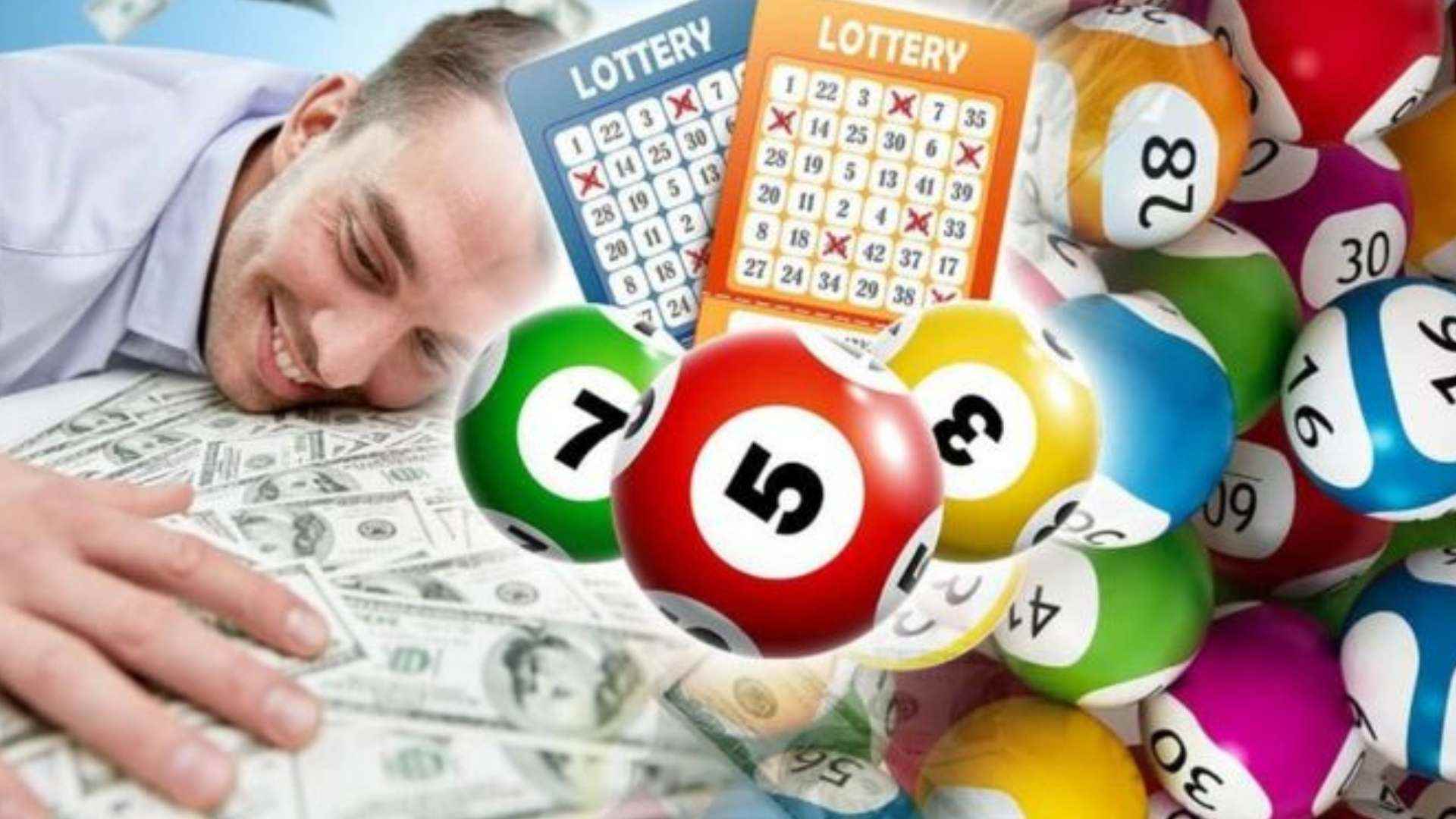
Games governed by the laws of chance have captivated players across generations, serving as both popular entertainment and exercises in mental acuity. While many people attribute success in these activities to pure luck, an underlying framework of mathematical reasoning dictates every single outcome. Unlocking this hidden structure transforms the way we perceive randomized systems and enables participants to approach tactical challenges with a highly analytical mindset.
The Core Mathematics of Random Events
At the center of any game involving chance lies the foundational concept of probability theory, which quantifies the likelihood of specific outcomes. Understanding the statistical distribution of variables allows individuals to replace emotional guesswork with logical expectations. By breaking down calculations into predictable ratios, players can move past basic intuition and cultivate a stronger appreciation for quantitative logic.
Many modern digital platforms build their entire structural systems around these core principles to ensure fairness and excitement. For enthusiasts who enjoy analyzing these models, utilizing a reliable portal such as M88 asia can offer an engaging environment to witness interactive algorithms in action. Studying how these setups handle statistical variance helps build practical analytical skills that apply to many real-world scenarios.
Differentiating Between Strategy and Uncertainty
A common mistake among newcomers is failing to distinguish between independent events and cumulative results. For instance, each roll of a traditional die or flip of a coin remains entirely unaffected by previous occurrences. Recognizing this mathematical independence is crucial for avoiding cognitive biases that frequently lead to flawed decision-making patterns during active play.
Developing a sustainable strategic approach requires focusing entirely on long-term expectations rather than immediate results. Seasoned strategists rely heavily on calculating expected value to evaluate whether a specific choice carries a favorable risk-reward profile over time. Shifting your perspective toward these objective metrics reduces the emotional stress caused by short-term variance and unpredictable drops.
How Probability Training Sharpens Cognitive Skills
Engaging regularly with games of chance serves as an excellent tool for enhancing overall cognitive agility and risk assessment habits. These activities force the human brain to process shifting parameters dynamically and make logical decisions under highly uncertain conditions. Over time, this consistent mental practice refines real-world problem-solving capabilities across various professional environments.
Ultimately, exploring the internal logic of probability systems reveals that randomness is rarely as chaotic as it initially appears. By mastering basic statistical tools and tracking outcome frequencies, anyone can learn to decipher the subtle structures hidden within uncertainty. This structured exploration turns a simple casual pastime into an accessible, deeply rewarding mathematical journey.