Why Every Great Game Uses Random Rewards
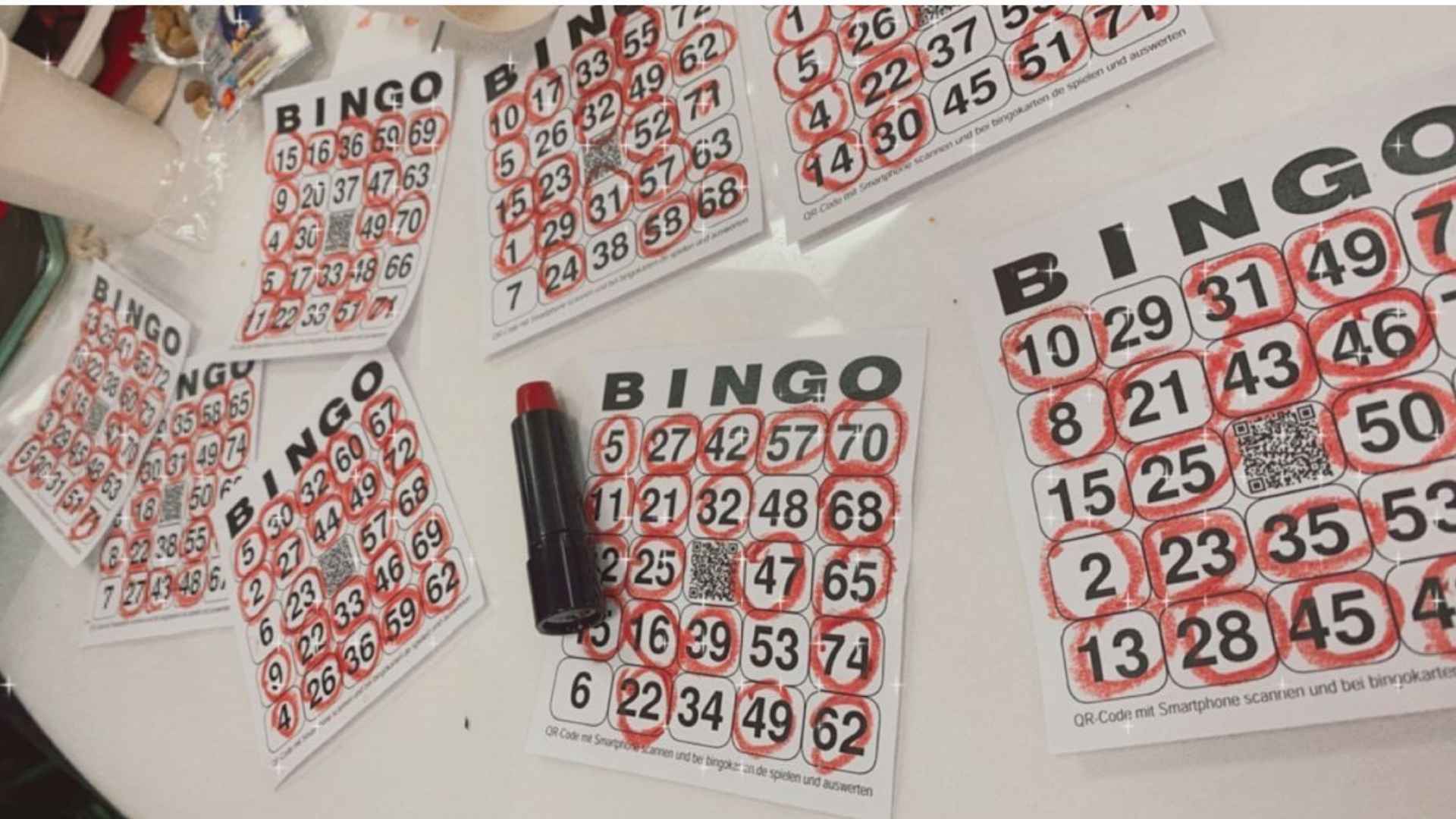
The magic of modern game design often relies on how well a title holds a player's attention over extended periods. While linear milestones offer a clear sense of progression, it is the introduction of unpredictable elements that truly elevates the overall player experience. By weaving unexpected outcomes into core loops, developers can create dynamic landscapes where every single session offers something completely fresh.
The Psychology of Unpredictable Loop Design
Human cognition responds uniquely to variable reinforcement schedules because uncertainty naturally heightens curiosity and anticipation. When a participant cannot predict the exact outcome of an in-game action, their brain experiences a stronger emotional investment during the reveal. This psychological phenomenon turns routine tasks into memorable adventures filled with sudden highs and surprise discoveries.
By structuring digital challenges around unpredictable odds, game creators foster a continuous loop of exploration that keeps enthusiasts thoroughly entertained. If a platform relies entirely on predictable distribution models, the underlying gameplay can quickly feel formulaic and lose its charm. Introducing elements of chance guarantees that the journey remains engaging and distinct for different player archetypes.
Balancing Skill Development and Pure Chance
Achieving the perfect equilibrium between deterministic mechanics and randomized loot drops is one of the greatest hurdles modern developers face. Top-tier titles ensure that player effort is respected while still integrating variable systems to bridge the gap between casual and hardcore players. When designed correctly, these mechanisms mitigate extreme power disparities within the virtual ecosystem without diminishing the value of hard-earned skills.
A fair probability model helps maintain absolute trust between the community and the creators over long-term live-service campaigns. Players who enjoy exploring diverse entertainment platforms can find excellent options at M88 asia to test their luck in balanced and highly engaging environments. Ultimately, the thrill of unexpected rewards works best when paired with solid core mechanics that satisfy the player's desire for real progression.
Enhancing Replay Value Through Dynamic Reward Pools
The longevity of interactive entertainment depends heavily on its ability to offer high replay value long after the initial launch phase. Dynamic prize distributions keep virtual economies healthy by ensuring that rare items retain their status and value over time. This architectural approach prevents sensory habituation, allowing digital worlds to feel vibrant and full of hidden potential during every check-in.
Limited-time events and seasonal updates frequently capitalize on these variable structures to generate immediate excitement within online networks. By introducing temporary windows where unique resources can drop unexpectedly, developers successfully counter player burnout and boost daily platform activity. The resulting shared experiences foster deeper connections among members as they celebrate unique milestones together.
The Future of Adaptive Engagement Systems
As digital platforms continue to evolve, the technology governing how surprise elements are distributed is becoming increasingly sophisticated. Forward-thinking studios are analyzing behavioral trends to implement customized mechanics that adapt to individual preferences seamlessly. This technological shift ensures that random delivery methods feel inherently meaningful rather than completely arbitrary or frustrating.
When virtual accomplishments mirror genuine psychological fulfillment, players remain loyal to a game for months or even years. The balance between structured progression and exciting uncertainty will undoubtedly remain central to successful interactive design moving forward. By prioritizing transparency and fair player treatment, the future of variable rewards promises to deliver even more immersive experiences.